



Could you introduce yourself and walking us through your current role at UNESCO — and tell us what drew you, personally, to the crossroads of museums and emerging technologies?
I am currently the Head of UNESCO’s Emergency Operations and Programmes Unit in the Culture and Emergencies Entity of the Culture Sector, which also includes overseeing the UNESCO Museum Programme and the Heritage Emergency Fund. I joined UNESCO Headquarters in Paris in 2001, and have supported UNESCO Culture Sector programmes for World Heritage, Museums, and the Diversity of Cultural Expressions. I also served 6 years as UNESCO’s Regional Advisor for Culture in Eastern Africa based in Nairobi, Kenya.
In 2023, I was named the AI focal point for UNESCO Culture Sector, and guided the development of a strategic orientation document on the ethical use of AI in the Culture Sector. This role exposed me to the opportunities and challenges posed by AI. So then in June 2025, when I became responsible for UNESCO Museum Programme, which is guided by the UNESCO 2015 Recommendation concerning the Protection and Promotion of Museums and Collections, their Diversity and their Role in Society (“UNESCO Museum Recommendation”), I was paying more attention to the importance UNESCO policy guidance for museums placed on supporting museums in the digital environment. I am excited to have the opportunity to present this together with policy guidance from the UNESCO 2021 Recommendation on the Ethics of AI and the UNESCO 2024 Framework for Culture and Arts Education during one of the online conferences for MuseumWeek 2026.
MuseumWeek 2026 is themed “Intelligences, Museums, Futures” — a title in which the influence of AI on museums feels unmistakable. Has UNESCO been working on this topic for long? What initiatives have already been set in motion, and what are the key actions the organisation plans to lead in the coming years to help museums navigate what is, for many of them, a profound and unsettling transformation?
Indeed, UNESCO’s core functions are to set standards, produce tools and develop knowledge to create solutions to some of the greatest challenges of our time, and foster a world of greater equality and peace. Therefore, the digital transformation and AI are at the heart of our work.
The UNESCO Museum Recommendation recognizes the changes brought about by the rise of information and communication technologies (ICTs) as well as the opportunities they offer for museums in terms of the preservation, study, creation and transmission of heritage and related knowledge. The Recommendation calls on all UNESCO Member States to support museums in sharing and disseminating knowledge, and ensuring that museums have the means to access digital technologies, especially when AI and other digital technologies can improve their primary services of preservation, research, communication and education.
UNESCO’s landmark 2021 Recommendation on the Ethics of Artificial Intelligence was the first normative framework in this domain and its policy guidance applies to all 194 Member States of UNESCO. It’s the global standard for the ethical use of AI and covers all sectors, including specific guidance for museums and for the protection of cultural rights. This Recommendation has provided an essential foundation for thinking about AI in museums today.
More recently, the UNESCO 2024 Framework for Culture and Arts Education has provided further guidance for museums on how to support digital competencies and engagement with new technologies.
Together with UNESCO capacity building programmes, these instruments provide an ecosystem for UNESCO Member States, museums and other cultural institutions as well as civil society to navigate through this digital transformation and actively participate in future innovations.
UNESCO also has a broad network of partners who contribute to our work in the digital environment, including UNESCO Chairs and UNITwin Networks, UNESCO Category I and II Centres as well as experts and policy makers around the globe. In the museum sector, our longstanding partnership with the International Council of Museums (ICOM) was reinforced through the signing of a Memorandum of Understanding on 21 May 2025. We are currently collaborating with ICOM on a joint survey on the use of artificial intelligence in museums, which is open through 21 July 2026. The results of the survey will be published in a forthcoming report that will be presented at the Global Forum on the Ethics of AI in Riyadh, Saudi Arabia in mid-September 2026. In addition to mapping trends and highlighting best practices on the use of AI in museums, the report on the survey results will also guide our future capacity-building programmes for museums.
Looking ahead, UNESCO and ICOM are currently seeking funding for the development of a policy monitoring and knowledge-sharing platform, which would allow museum professionals, researchers, and policymakers worldwide to access data and case studies on the use of AI in museums. This would be complemented by capacity-building programmes and peer-exchanges to help museums professionals acquire technical understanding and skills to ensure their use of AI is aligned with international and ethical standards.
Speaking of this landmark conference day in Samarkand on the future of museums, where AI held centre stage, what were the key takeaways you brought back from that gathering? And beyond the inspiring showcase moments, where do you believe museums genuinely and concretely need to reinvent themselves in response to the rise of AI?
Thank you again for participating in our conference on the use of AI in museums, which was organized as a side event of the UNESCO General Conference in Samarkand, Uzbekistan on 1 November 2025. As you know, this event brought together museum professionals and AI developers to share experiences and insights on using AI in museum practice. I learned a lot from the presentations, and realized how important it is for such peer exchanges.
One of the strongest impressions I brought back from Samarkand was the extraordinary diversity of approaches in AI use already emerging around the world. Panelists shared their experiences using AI to address very concrete challenges facing museums: accessibility, preservation, multilingualism, collection management, education, restoration, audience engagement, risk preparedness and representation. Our discussions revealed a shift in the mindset of museum professionals insofar as museums are moving from seeing AI as a digital add-on, to regarding it as a structural transformation of how knowledge is created and shared. In this sense, I could share a few key takeaways from the conference:
Firstly, there was a broad consensus that museums must remain human institutions. Panellists insisted that AI should not replace but rather enhance human interpretation and cultural dialogue, to deepen the connection between people and cultural heritage.
Secondly, interventions revealed how museums are active participants in AI development, rather than passive consumers of the new technology. We heard examples of museums co-designing systems with developers, thus helping to shape the future of AI.
Thirdly, the conference showed that one of AI’s greatest values for museums is accessibility. Some of the most compelling examples were tools that democratize access to culture, whether that is through multilingual interpretation, semantic search through collections, accessibility tools for visually impaired visitors, restoration support, open-access collections, digitization of endangered heritage and many others. This is a principle that resonates very closely with the guidance of the UNESCO 2015 Museum Recommendation.
In addition, panelists at the Samarkand conference approached AI with a clear sense of responsibility and critical awareness. Moreover, the seriousness with which risks were addressed was one of the most encouraging aspects of the conference. All panellists recognized the risks of AI, such as hallucinations and bias in generating content, and the need for comprehensive referencing and critically evaluating all information.
In response to your question regarding how museums need to reinvent themselves in response to the rise of AI, I think that transformation had already started taking place long before AI became part of our everyday vocabulary.
Museums are no longer solely repositories of collections. They have been evolving into dynamic, people-centred institutions that contribute to critical thinking, lifelong learning, social cohesion, peacebuilding and sustainable development. Storytelling and creativity are integral components of contemporary museum practice, which values and prioritizes diversity, equity, access and inclusion.
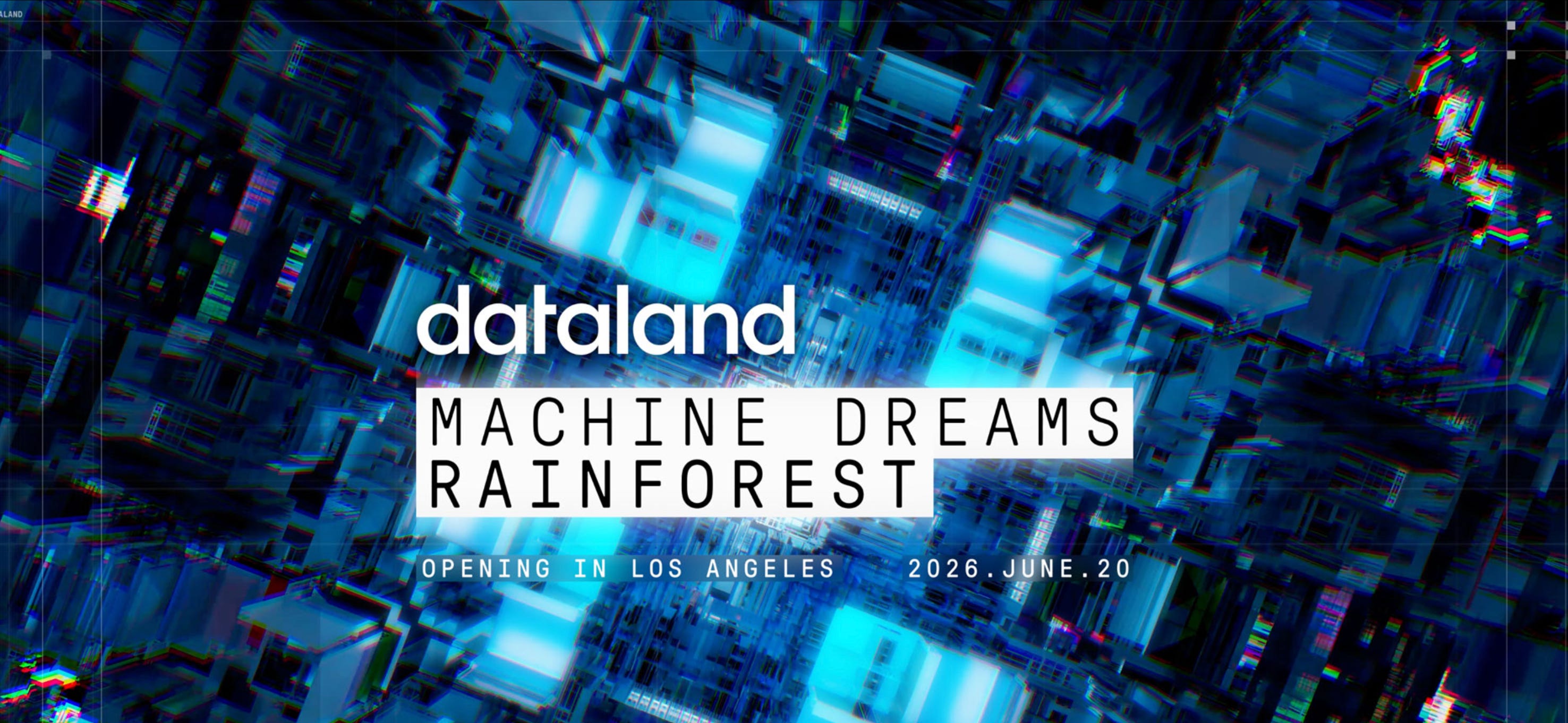
Museums today are adapting their practices to include AI tools and innovation, which are integrated into curation, visitor engagement, research and education to enhance accessibility and create more dynamic, personalized experiences. Later this month, the world will see its first AI museum created when the Dataland Museum of AI Arts and digital ecosystems opens in Los Angeles, California (USA).
Last year at the UNESCO High Level Forum on Museums (23-25 April in Hangzhou, China), participants called for the development of guidelines on the ethical use of AI in museums. They recognized both the challenge of acquiring the technical skills and capabilities to use AI, as well as the cultural and ethnical responsibility that comes with it. The Forum concluded that museums must ask: Who trains the datasets? Who owns cultural data? How do we prevent AI from reproducing existing inequalities? These are not technological questions, but fundamentally human questions that museum professionals, policy makers and the public must address.
As museums harness digital innovations for the democratization of creativity, heritage and learning, they must ensure respect for ethical guidelines, intellectual property and cultural rights as well as cultural and linguistic diversity.
There is a real risk that AI accelerates a two-speed cultural economy — widening the gap between well-resourced institutions and those with limited digital infrastructure. What concrete programmes is UNESCO putting in place to prevent that divide from deepening, and does MuseumWeek itself have a role to play in levelling that playing field?
Indeed, the Conference in Samarkand showed clearly that the rise of AI is not only a technological transition, but also a question of cultural equity. There is a real risk of a two-speed cultural economy emerging. A small group of well-resourced institutions could become increasingly visible and technologically advanced, while other museums risk being left behind in this new era of the digital age, particularly those in parts of Africa, Small Island Developing States, rural regions, or countries affected by conflict.
In line with UNESCO’s mandate, it is essential to ensure that all museums, regardless of size, location or resources, can engage with AI in a meaningful, ethical and sustainable manner. Beyond museums, the democratisation of AI is an effort carried out by the entire Organisation across different sectors.
UNESCO has undertaken efforts to ensure that AI governance and accessibility is not limited to a small number of countries, companies or institutions, but instead becomes accessible through shared international standards, practical assessment tools and open educational resources.
As already mentioned, a milestone in this effort is the UNESCO 2021 Recommendation on the Ethics of Artificial Intelligence. This is the world’s first global normative framework on AI ethics, adopted unanimously by UNESCO’s Member States. The Recommendation protects human rights and dignity, and has established common principles around transparency, cultural diversity, environmental sustainability and accountability in the development and deployment of AI.
UNESCO also developed tools to guide UNESCO Member States in implementing these principles, namely a Readiness Assessment Methodology (RAM), which is not only designed for technologically advanced countries, but also for those who have limited digital infrastructure. The RAM tool helps them identify gaps in AI legislation, education and governance capacity.
UNESCO has also focused strongly on capacity-building and AI literacy. Through initiatives like the Global Course on AI and the Rule of Law, developed together with the University of Oxford, UNESCO is striving to make knowledge about AI governance freely and globally accessible to policymakers, educators, actors of civil society and institutions.
UNESCO continues to expand access to its ethical AI frameworks, guidance materials, and multilingual resources with the objective of supporting an inclusive and human-centred digital transformation across all sectors.
One of the most encouraging aspects of the Samarkand conference was seeing institutions openly share tools, methodologies, and lessons learned. That spirit of collaboration is extremely important. UNESCO encourages the sharing of tools and expertise across borders. That is also where MuseumWeek has an important role to play. MuseumWeek can function as a connector across the global museum ecosystem. Platforms like these democratise participation and amplify the voices of smaller institutions who might struggle with visibility, networking, and access to the larger international debate. It can also help museums share practical experiences with AI, and raise ethical questions that emerge through practical use. I am pleased so many colleagues of mine from UNESCO are participating in the 2026 edition and showcasing the various tools, resources and programmes the Organization has developed using AI and other digital technologies from the Virtual Museum of Stolen Cultural Objects to the Virtual Science Museum.
UNESCO’s Independent Expert Group on AI and Culture released a landmark report at MONDIACULT 2025. What were its most pressing recommendations for the museum sector specifically — and what would you say to a museum director who still experiences AI as a threat rather than an opening?
The UNESCO Independent Expert Group’s report for MONDIACULT 2025 positioned museums not as passive users of AI, but as central actors in shaping its cultural actions and guidance. Its most pressing recommendations for the museum sector converge around few core priorities. First of all, museums, libraries and other cultural institutions are called upon to become active agents of AI literacy among the public. As trusted public institutions and in line with their core missions outlined in the UNESCO 2015 Museum Recommendation, museums are expected to enable audiences to understand how AI works, its creative potential, and its ethical implications through exhibitions, mediation and participatory experiences. Indeed, this is all the more important for underserved or digitally excluded communities where museums can offer access and learning opportunities adapted to local contexts. Second, the report urges museums to contribute to shaping inclusive, transparent and culturally sensitive AI systems to ensure that cultural narratives, collections and accessibility are not dictated by opaque logic. Third, museums are encouraged to use AI to enhance their missions, from improving access to collections to supporting conservation, digitization, and heritage protection, while maintaining strong ethical oversight. This includes safeguarding authenticity, addressing algorithmic bias, forbidding unauthorized use of cultural content, and avoiding over-dependence on private technologies. Finally, they are expected, to play a role in equitable access and capacity building, helping reduce digital divides and foster more inclusive participation in cultural production and knowledge systems, by empowering creative communities through fair remuneration and the protection of artistic style, strengthening local creative industries, and advancing international cooperation, particularly through South-South solidarity.
For museums, galleries, libraries or archives directors around the globe, who may still perceive AI primarily as a threat, the report suggests not dismissal, but reframing, essentially because it recognizes AI as a “double-edged tool”, capable of both enrichment and harm depending on how it is governed. In light of this observation, museum professionals may ask: how can we ensure that AI is used in an appropriate and ethical manner? If museums step back from involvement, the development of AI may be left to the whims of developers, which can lead to bias and loss of cultural sovereignty. UNESCO advocates for a proactive, ethical, and human-centered approach to AI, where museums are partners in these transformative processes, and invites museums to use AI to enhance their collections and improve public access.
To close on a more personal note: which five museums have impressed you most in recent years for the way they have harnessed technology to fulfil their mission — and what sets them apart?
In general, what impresses me the most, is not simply if a museum uses technology or artificial intelligence, but whether these allows cultural institutions to strengthen their public mission, either through accessibility, sustainability, provenance research, education or cultural participation.
I was really inspired by the examples presented at the UNESCO Samarkand conference on Museums and AI. Below are five examples shared during the conference that show the diversity of how museums are using AI around the globe:
In the Asia Pacific Region, Ms. Lin Ai, Director of Deji Art Museum (China), detailed how her museum uses AI to meet the needs of diverse audiences with varying cultural backgrounds. Their AI-supported exhibitions have allowed her museum to tackle the challenge of relatability as well as visitor and youth engagement. A major element of her museum’s AI use has been the presentation of an ancient Chinese scroll An Era in Jinlings through interactive interfaces, so that visitors can interact with fragile objects through digital avatars and become active participants of an antique cultural life they are not necessarily familiar with. These AI interfaces are more than animation; they pose a new model for self-directed exploration by visitors, allowing them to discover their role in relation to nature, society and other individuals. When used intentionally, AI can therefore redefine knowledge sharing for museums, allowing engagement regardless of the visitors’ educational backgrounds, and reconfirming the idea that heritage belongs to everyone.

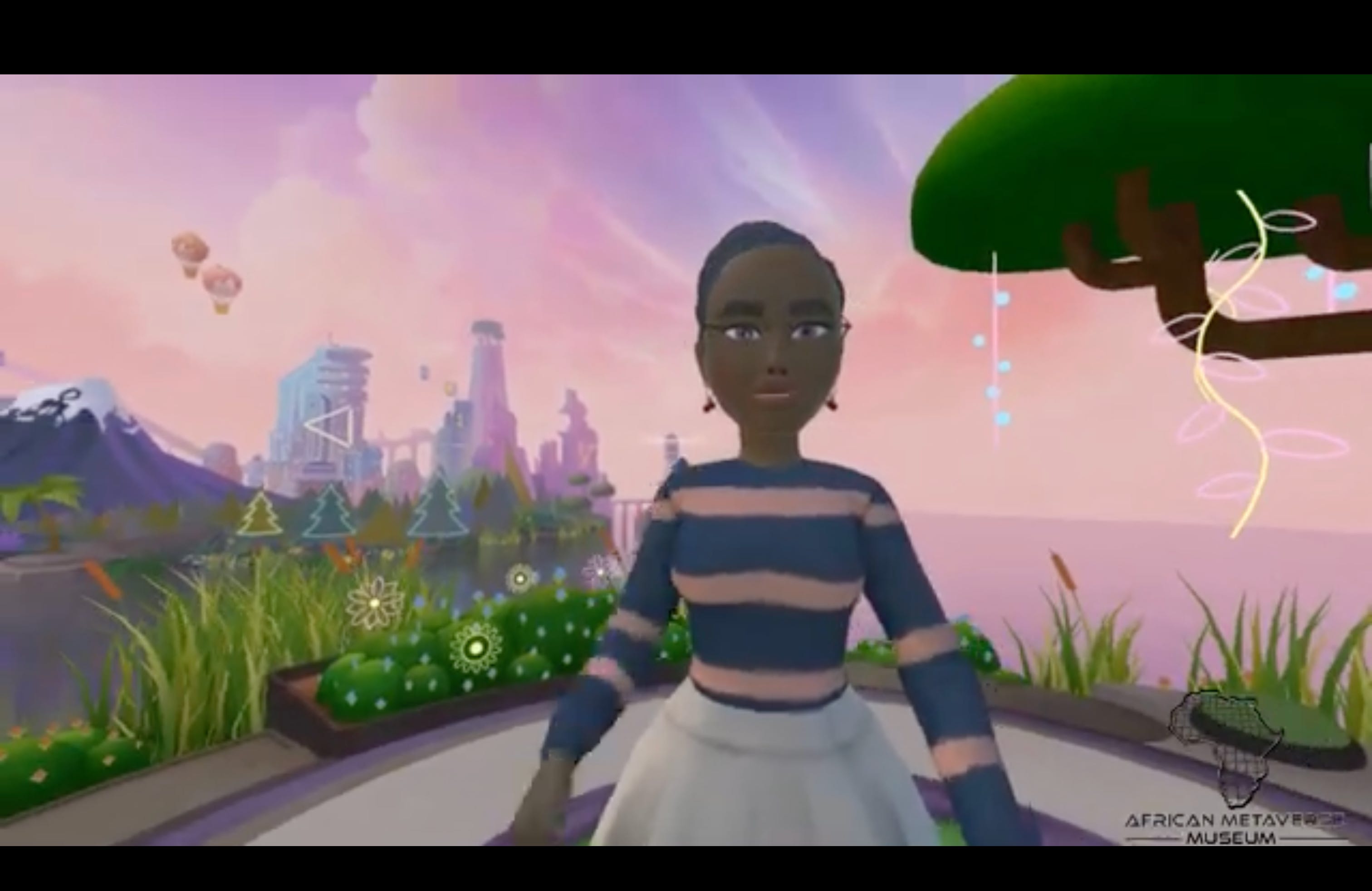
In the Africa region, Mr. Mohamed Zoghlami, Director of Development & Strategy at 3D Netinfo and DigiArt LivingLab (Tunisia), presented the Africa MetaVerse Museum, a ground-breaking virtual museum that uniquely combines culture, heritage education and gaming, transforming data into color, and algorithms into emotion. The museum features different Pan-African characters based on the UNESCO General History of Africa, from matriarchs to warriors and slaves. The museum uses AI to create a fresh version of African history, founded on the real-life narratives of local community chiefs, therefore educating its viewers through memory. The Africa MetaVerse Museum demonstrates how the power of AI can be harnessed to train young Africans to re-appropriate their culture, reproduce their heritage, and make memory accessible to all.
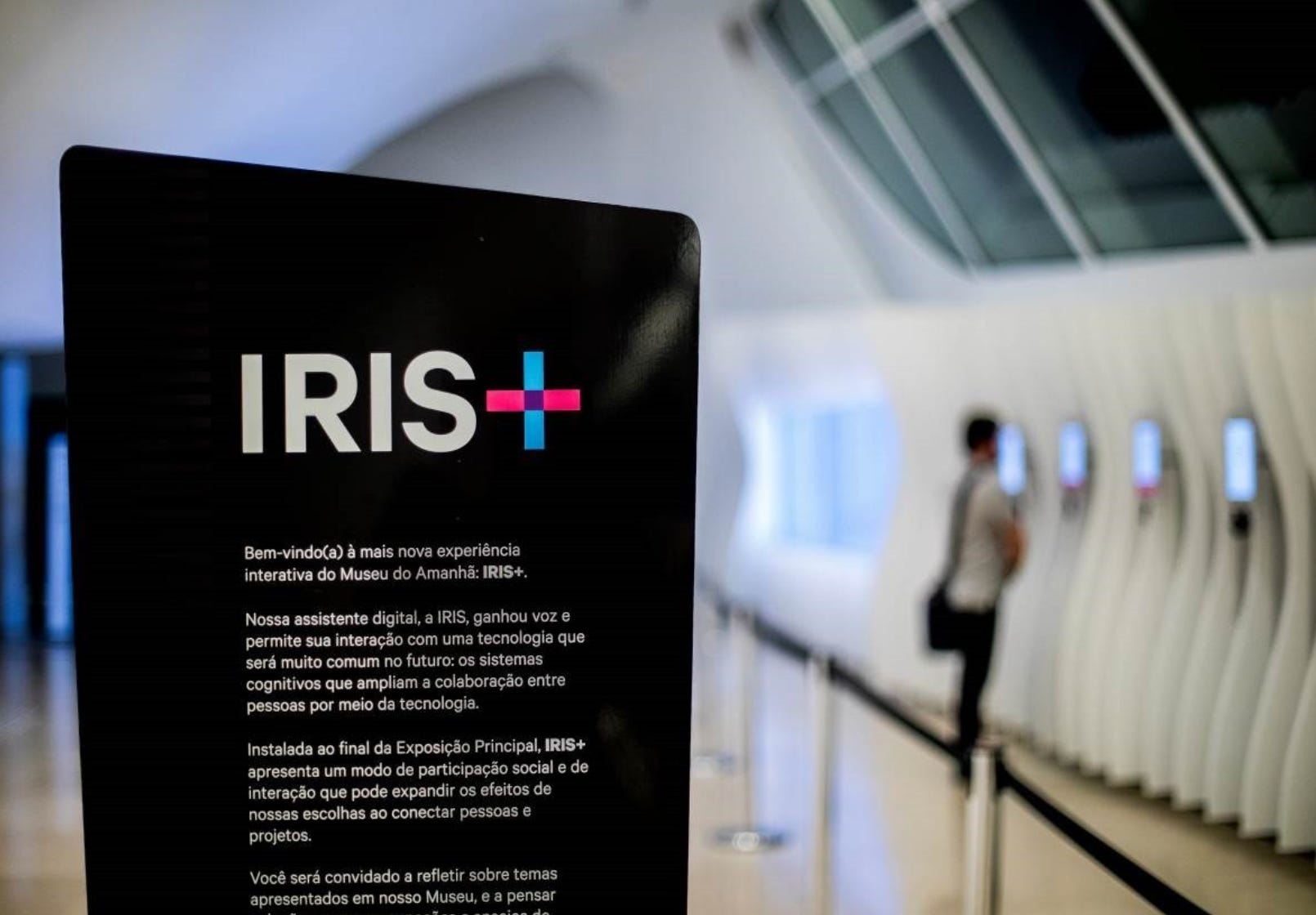
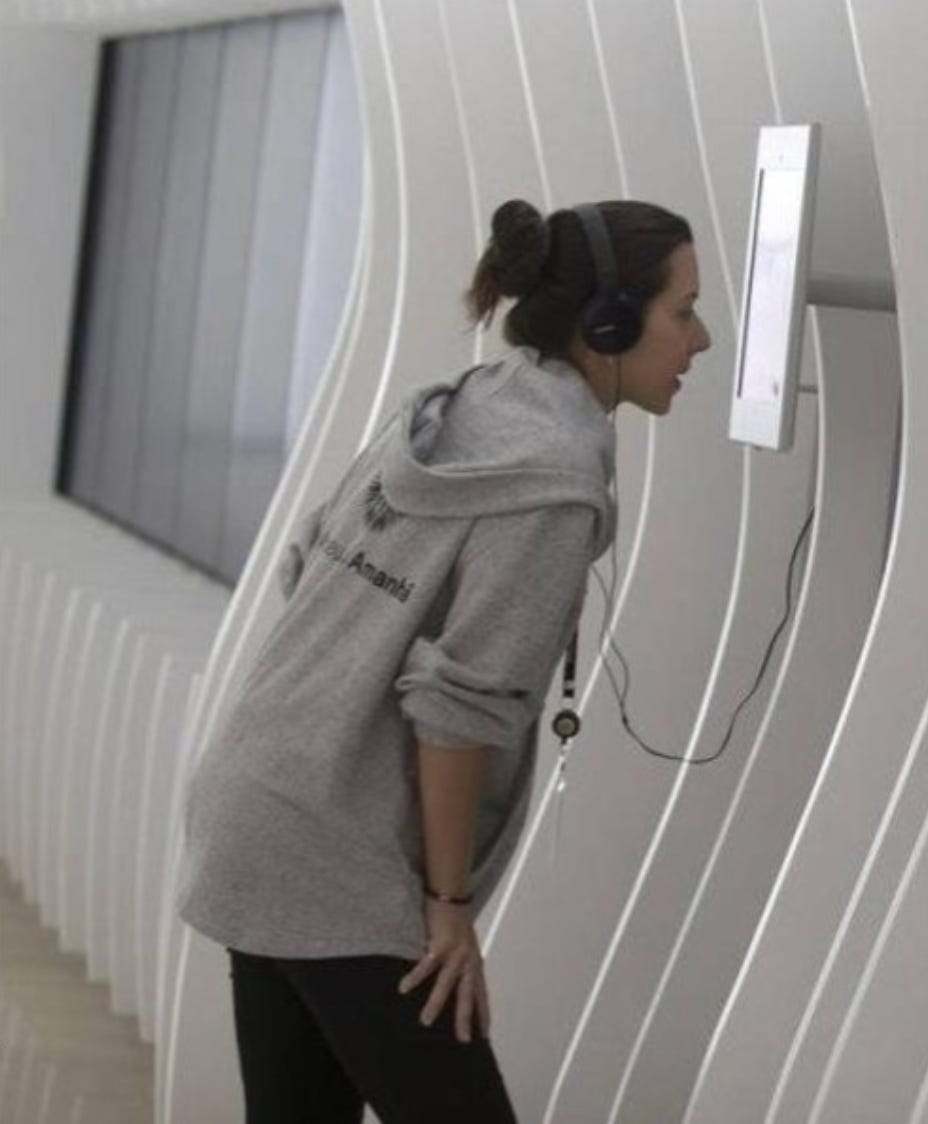
In the Latin American & the Caribbean region, Ms. Nailanna Tenorio Lima, Head of Institutional Communication at the Museum of Tomorrow (Brazil), explained how the museum is using IRIS+, an artificial intelligence system that engages visitors in dialogue about the themes addressed in the museum’s main exhibition. At the end of the exhibition, visitors are invited to share what they consider to be their greatest concern in today’s world. Based on their response, IRIS+ introduces projects from Brazilian organizations, foundations, and institutions—registered and verified by the museum’s team—that offer pathways for meaningful civic engagement. This process involves rigorous curatorial oversight by the museum’s staff, including verification of accuracy and clarity, as well as the ethical and transparent storage of data, in full compliance with the Brazilian General Data Protection Law (LGPD). As a result, 37 percent of visitors engaged with a social or environmental cause after their museum visit, demonstrating the capacity of AI-driven initiatives to foster critical awareness and inspire social transformation.
In the Arab Region, Ms. Sabrina Moura De Araujo, Head of Research & Development at the Louvre Abu Dhabi (UAE), shared how AI is enforcing the trilingual mandate of the museum, by bridging linguistic and conceptual challenges across museum publications, exhibitions and visitor materials. As the Louvre Abu Dhabi operates in Arabic, English and French as official languages, the team is faced with the challenge of maintaining cultural nuance across these languages while making collections accessible for all visitors. In order to tackle this challenge, the museum partnered with the Sorbonne Center for AI to create a digital humanities project to support translation and terminology consistency related to art history vocabulary with human oversight to ensure respect for the local cultural and linguistic context of the Arab world. This project demonstrated how the training of large language models by museums, for museums, can help craft specific AI tools for niche projects in museums with unique contexts.
In Europe, the Palace of Versailles Museum and Gardens is collaborating with Ask Mona (France), which specializes in designing conversational AI tools and chatbots for museums. Mr. Valentin Schmite, Director General of Ask Mona, demonstrated how AI can help visitors prepare for museum visits through the customization of exhibition programmes and act as a cultural mediation service, which allows visitors from all backgrounds to enter into conversations with artworks and historical avatars that have been ‘brought to life’ through AI. He gave the example of the “Talking Statues” project, which allows visitors in the Garden of Versailles to take pictures of sculptures and start a conversation with them. He emphasizes accessibility, inclusion and academic rigor in their approach, as the initiative does not require registration, is available in several languages, and is based fully on a documented database of verified texts by onsite curators, therefore preventing AI hallucinations.
Interview by Benjamin BENITA
MORE
Artificial Intelligence and the Future of Museums – UNESCO, Samarkand 2025

Culture For Causes Network is proud to have contributed to the international conference “The Role of Artificial Intelligence in Museums”, held as an official side event of the 43rd UNESCO General Conference in Samarkand, Uzbekistan.
🎙️ The American Story: AI Personalizes American History at the US National Archives Museum

Join us as we explore the National Archives Museum's groundbreaking 'The American Story' gallery, a $40 million renovation that introduces the first AI-powered personalized museum experience on the National Mall. Discover how visitors can scan a QR code, select three topics of interest, and have AI systems curate a unique virtual folder
🎙️ Imperial War Museums Leverages AI to Transform Access to Oral Testimonies

The Imperial War Museums have launched a groundbreaking project using AI to transcribe, translate, and analyze over 20,000 hours of oral history recordings. These personal accounts of 20th-century conflict are now searchable, summarized, and accessible through a dynamic interface powered by generative AI. In this episode, we explore how this innovation …
🎙️ Museums and the Fall of SEO: Are You Still Visible?

As museums invest in digital strategies — from publishing online collections to offering virtual tours and educational content — a silent but radical shift is happening: the decline of traditional organic search visibility in favor of AI-generated answers
