


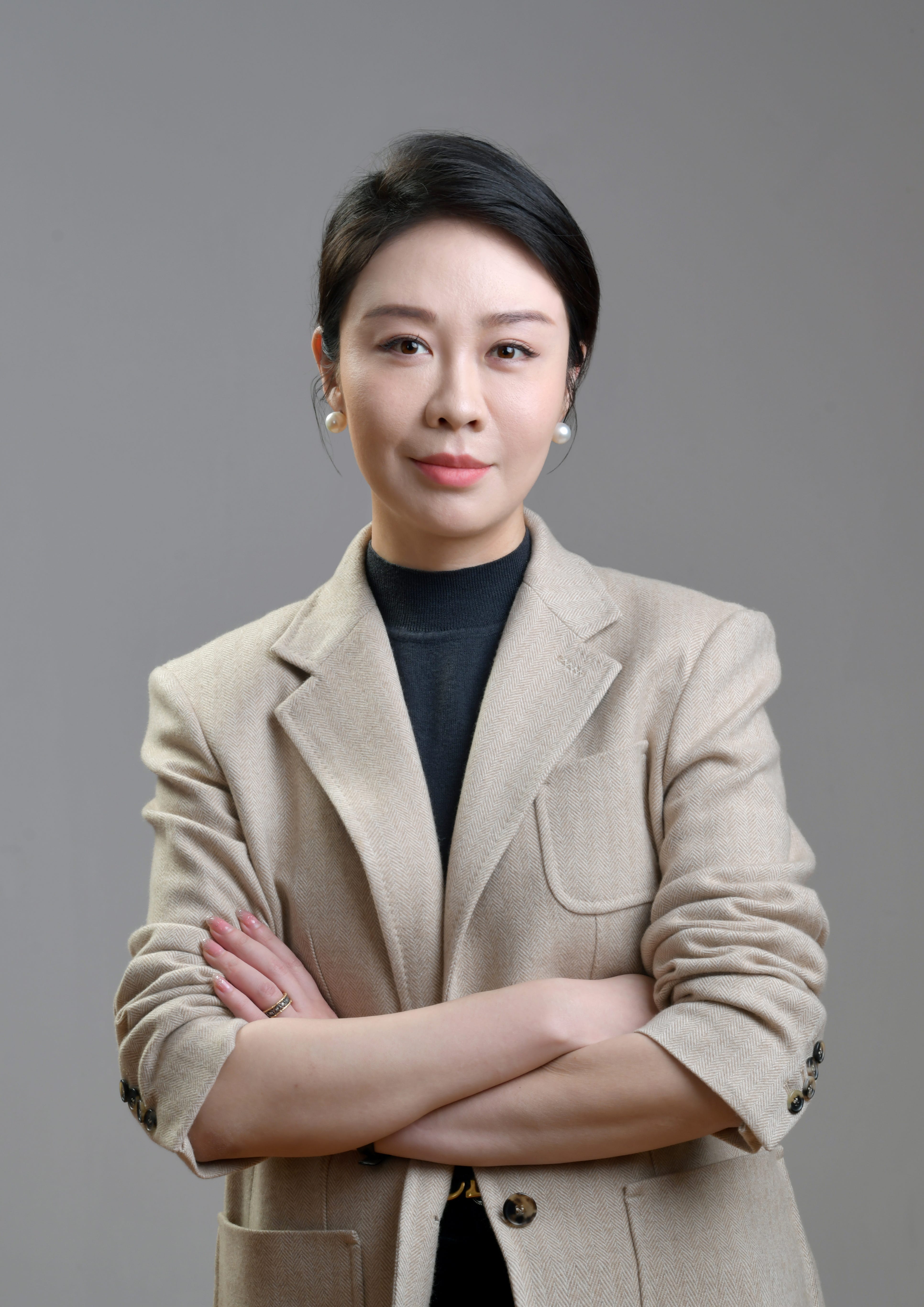
We had the privilege of meeting Ms. Lin AI, Director of the Deji Art Museum in Samarkand, during the International Conference on the Future of Museums organized by UNESCO in November 2025, in which we took part (see the link at the end of this article). Ms. AI graciously agreed to be interviewed for MuseumWeek Magazine on the occasion of MuseumWeek 2026. In this conversation, she shares her insights on the evolving role of museums and the challenges and opportunities that lie ahead for the sector.
In addition to this interview, you can watch the replay of the MuseumWeek Keynote, pre-recorded by Ms. Sun Li and broadcast live on 2 June at 2:00 PM CEST:
Could you introduce yourself — your background, your journey, and what led you to become Director of the Deji Art Museum? What drives you personally in the cultural field?
When Deji Group first approached me to discuss its plans for building a museum in the heart of Nanjing, I learned that the group had already established a comprehensive collection spanning ancient Chinese ceramics, paintings and calligraphy, Buddhist statues, furniture, as well as Chinese and international modern and contemporary art. I believed that such a rich, diverse, and systematically developed collection provided a strong foundation for creating a museum that is rooted in Nanjing while connected to the wider world.
Nanjing is a city where deep cultural heritage coexists with contemporary dynamism and innovation. Throughout its history, it has been a place where different civilizations have met and exchanged ideas. During our discussions, we came to a shared belief that this new museum should embrace greater creativity and innovation. Deji Group also expressed a desire for the museum to engage more deeply with people’s everyday lives and foster meaningful dialogue with the public—an aspiration that closely aligned with my own vision for the future of museums.
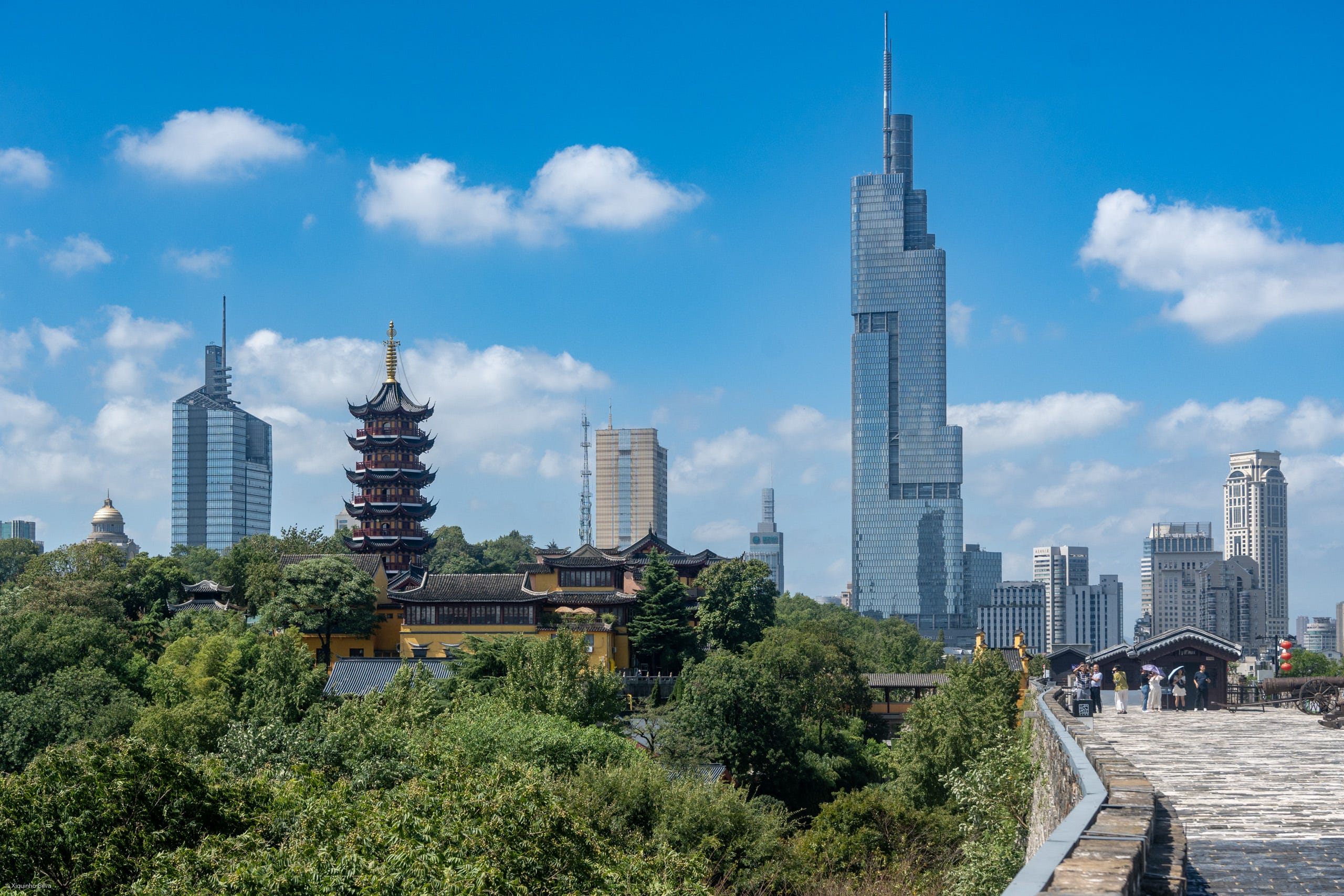
Through these discussions, we arrived at a shared vision: to create a museum that reimagines what a museum can be. We envisioned an institution that would not only preserve and present art, but also serve as a cultural force capable of transforming historical heritage into meaningful public experiences. At the same time, we hoped to build a platform of international cultural exchange, where different cultures and ways of seeing the world could meet and engage in dialogue. Guided by this shared vision, we began building the museum. In 2017, Deji Art Museum’s Xinjiekou venue opened in the heart of Nanjing. Since then, our curatorial team has presented a series of major exhibitions and welcomed visitors from across China and around the world.
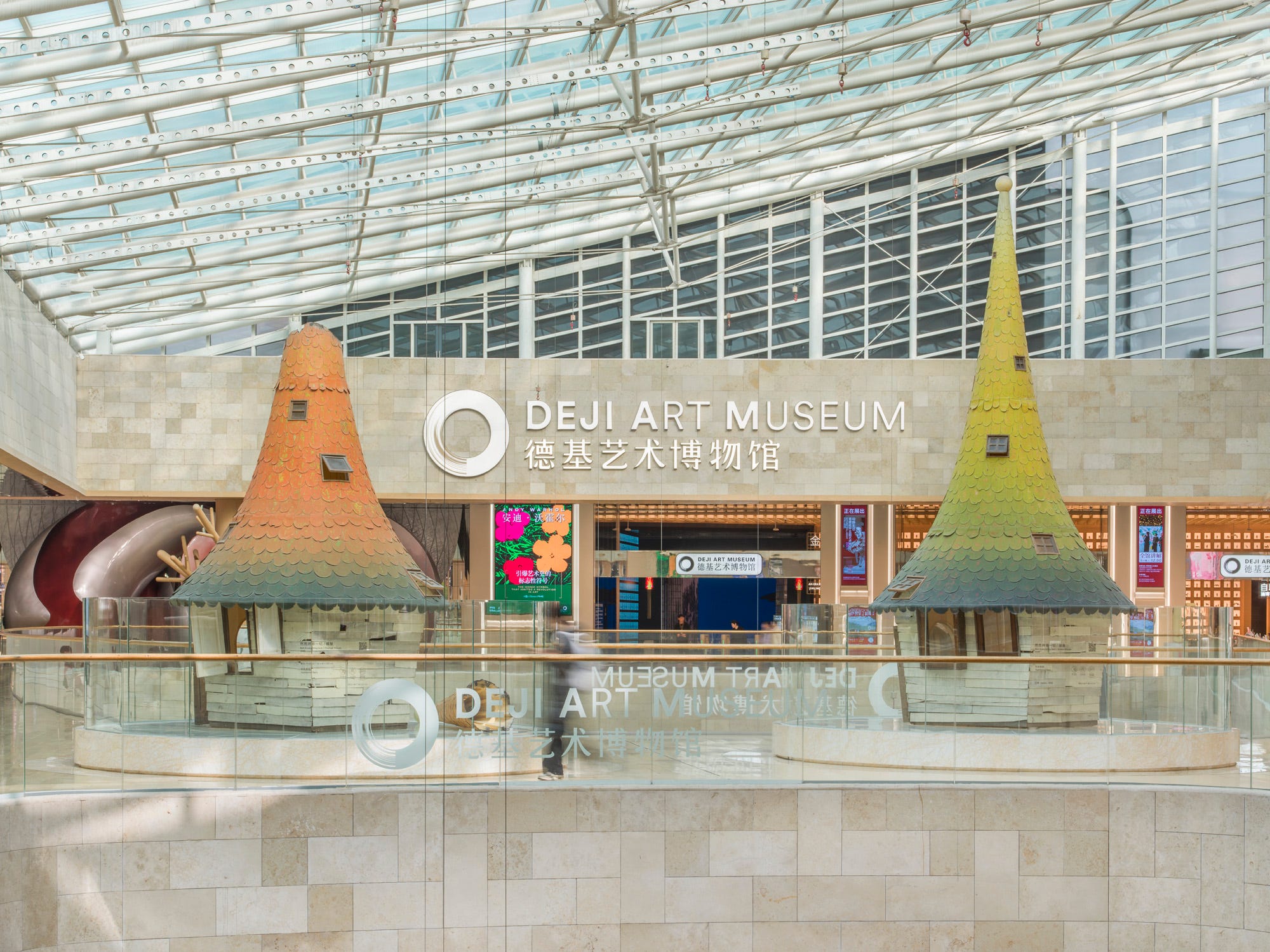
As we continued to study our collection, we increasingly felt that we should make these works accessible to a broader public. To fully present the richness and diversity of the collection, more spaces would be needed. At the same time, the Xinjiekou venue established itself as an important cultural landmark in the heart of Nanjing, earning strong recognition from both academic audiences and the wider public. These developments gave us the confidence to pursue the next stage of our vision: a “multi-city, multi-venue” network. Drawing on the strengths of our collection and the unique cultural character of different cities, we are expanding across multiple locations to bring meaningful cultural experiences and emotional connections to an even wider audience.
How would you describe the Deji Art Museum to someone who has never heard of it? What makes it distinctive in the Chinese and international museum landscape? Who are your visitors — local communities, international audiences, both?
Deji Art Museum is an art institution in Nanjing, China, shaped by a global outlook, a contemporary perspective, and an ongoing engagement with local culture. At the same time, it is a museum that continually explores how art can become more deeply integrated into everyday life.
Nanjing has long been a place where different civilizations meet and exchange ideas, and it continues to attract visitors from around the world today. In our collecting, research, and curatorial practice, we are constantly interested in how different cultural experiences and artistic languages can be connected and translated across contexts, and how traditional culture can be reinterpreted for contemporary audiences.
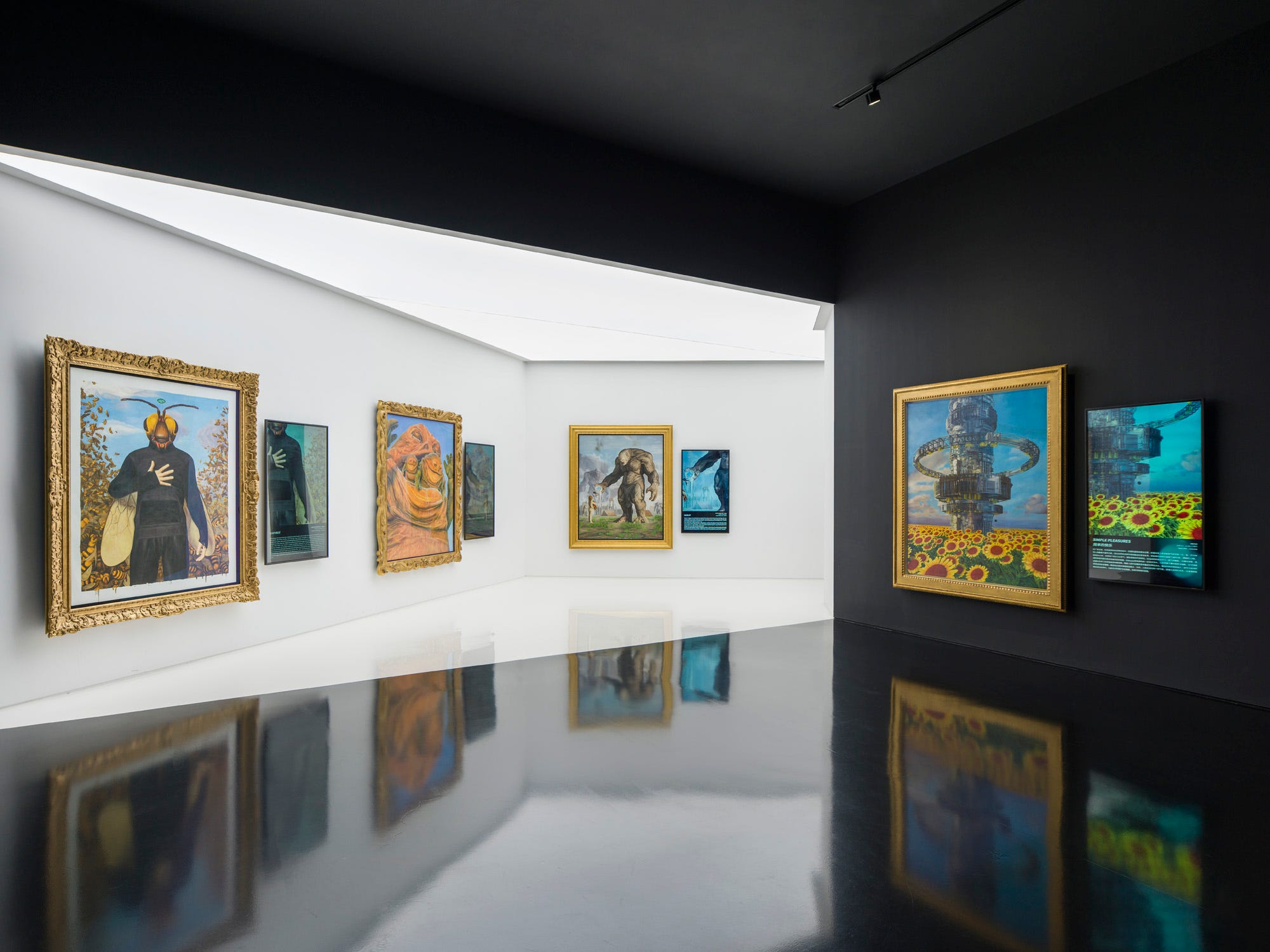
When you visit Deji Art Museum’s Xinjiekou venue in the heart of Nanjing, one of the first things you notice is that time is no longer a constraint: it is the only museum in the world open until midnight every day. In An Era in Jinling: A Digital Art Exhibition, you can travel back to Nanjing a thousand years ago through an immersive interactive experience, discovering the rhythms of an ancient Chinese city while reflecting on humanity’s shared pursuit of a better life. In the exhibition drawn from our “World of Flowers” collection, you can encounter works by more than one hundred artists, including Monet, Picasso, Sanyu, and Zao Wou-Ki, while exploring the broader historical narratives and cultural exchanges reflected in them. You can also engage with pioneering digital art through works by artists like Beeple and Refik Anadol, inviting new ways of imagining the future.


Beyond exhibitions, we continue to develop a wide range of public programmes and cultural activities, with the aim of weaving art more deeply into the fabric of urban life and fostering meaningful moments of emotional connection for visitors from different cultures, generations, and backgrounds.


You presented an AI-powered installation at Samarkand — could you describe it and the experience it creates for visitors? Was it designed for a specific target audience, or intended to be universal? On the technology side: what solutions did you use, and did you work with an external tech partner or develop this in-house? How long did the full process take, from concept to deployment — and was it as seamless as AI sometimes promises, or were there real challenges along the way? How many people were involved — curators, technologists, mediators? Looking back, what would you do differently?
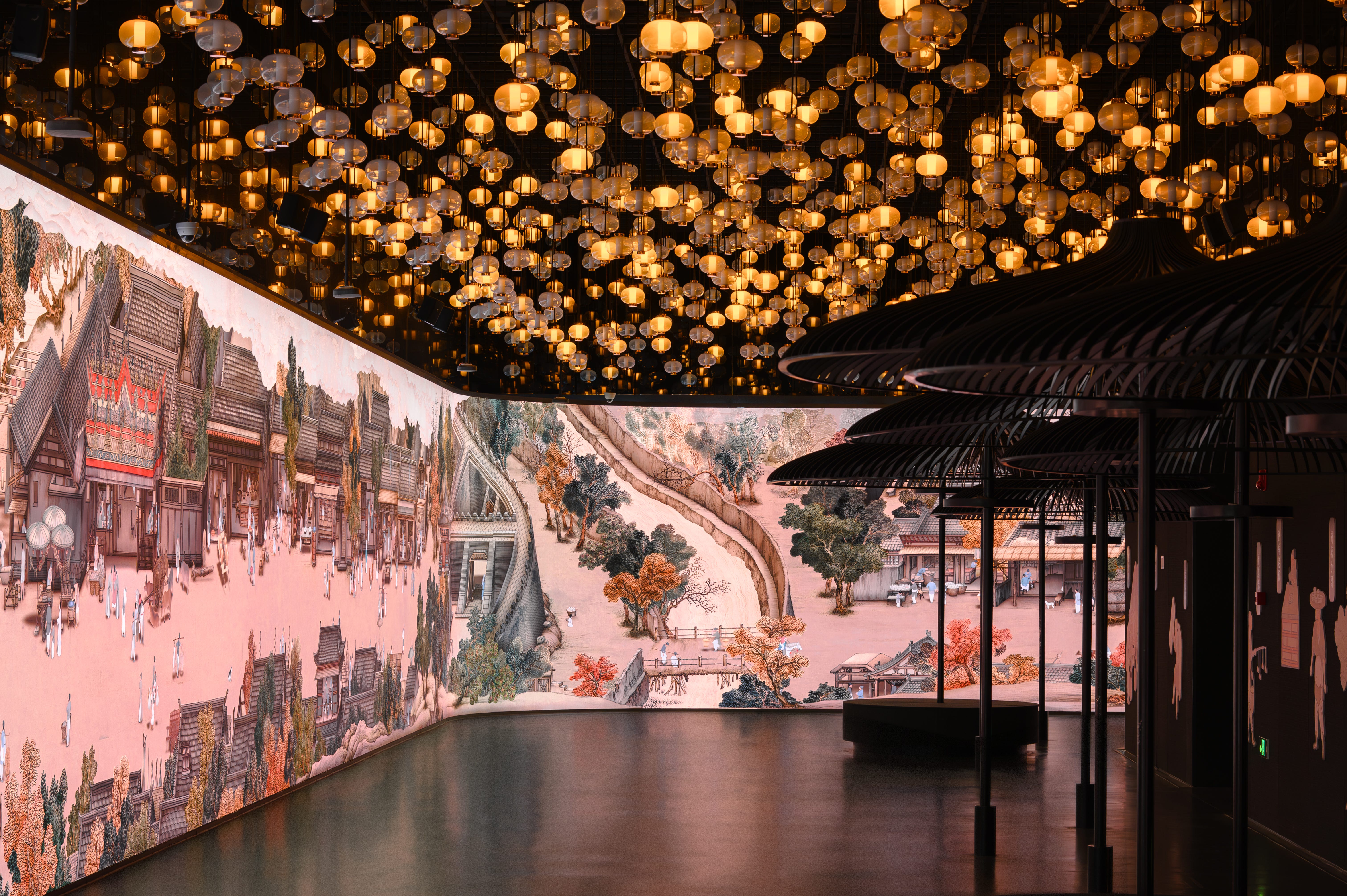
An Era in Jinling: A Digital Art Exhibition is a permanent exhibition at Deji Art Museum. It is based on An Era in Jinling, a masterpiece scroll painting in our collection, widely regarded as one of the most representative images of Nanjing, historically known as Jinling. Created in 1794 by the Qing dynasty court painter Feng Ning, it depicts urban life in Song dynasty Nanjing. Measuring 1,050 cm in length and 35 cm in height, the scroll features 533 figures, 90 animals, more than 20 carriages and sedan chairs, and over 40 shops and vendors. It has often been described as “an encyclopedia of the history and everyday life of Jinling.”
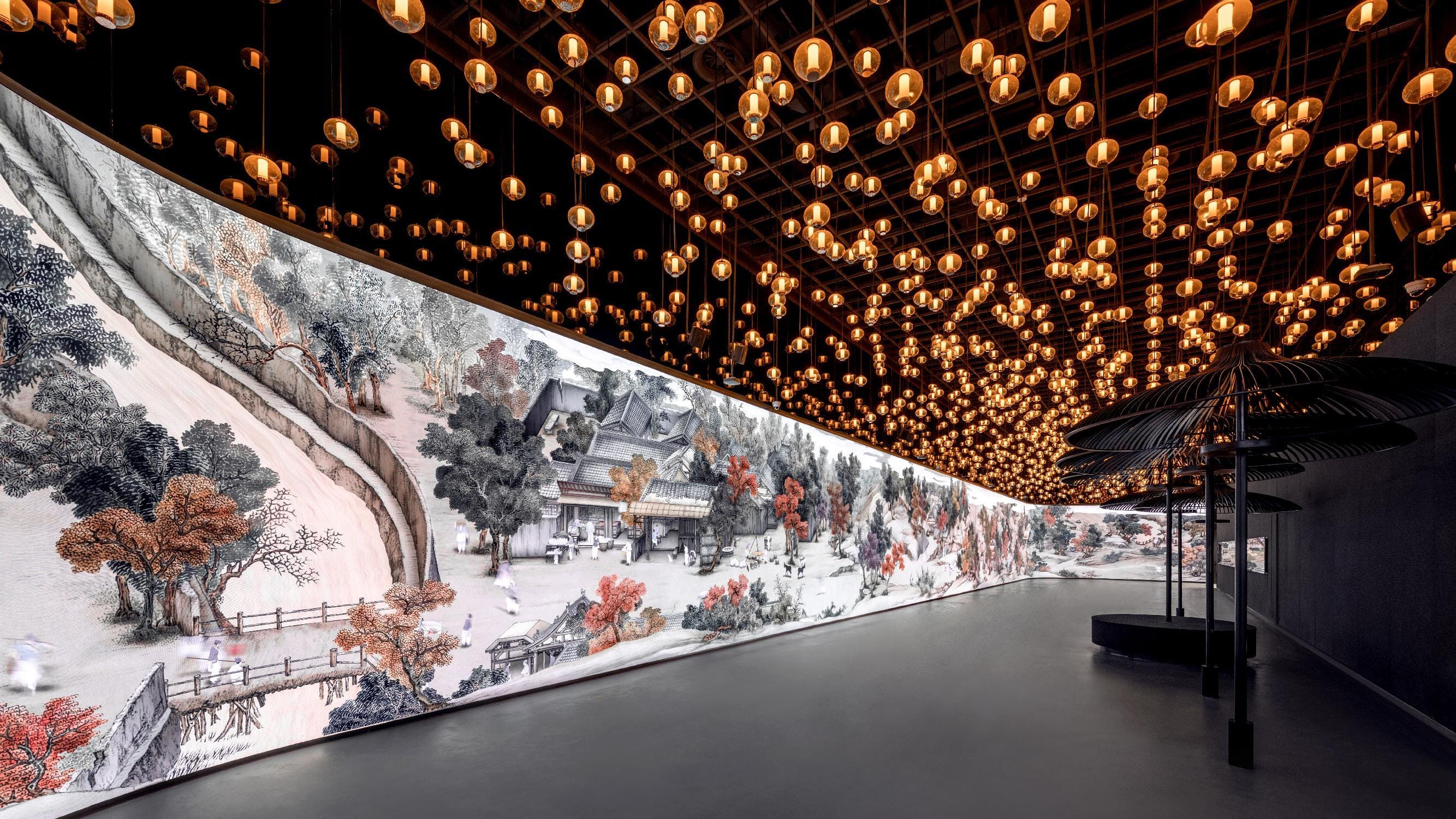
As we studied An Era in Jinling in greater depth, we came to realize the extraordinary richness of the painting. It is not only a detailed depiction of the ancient city of Nanjing, but also a remarkable record of everyday life in China a thousand years ago. We felt that if the work were presented only in a display case, the temporal and cultural distance would make it difficult for contemporary audiences to fully appreciate its depth and significance. To help visitors of different ages and cultural backgrounds better understand the historical and cultural details embedded in the painting, we drew upon digital technologies and cultural translation to create an immersive interactive environment using a 110-metre-long, 3.6-metre-high LED screen. We also pioneered an interactive viewing mode that allows visitors to “enter” the painting and move through it in real time. In this way, a cultural heritage work depicting urban life in Song dynasty Nanjing becomes something contemporary audiences can actively engage with.
Enter the exhibition, put on a smart wristband provided by the museum, connect it to your phone, and choose your Song dynasty avatar. You can then step directly into the painting and start exploring. You can interact with more than 500 characters from different professions and social backgrounds. It helps you understand how people lived, how the city worked, and how people related to the society around them. Along the way, you may also start to notice connections between the past and our lives today.
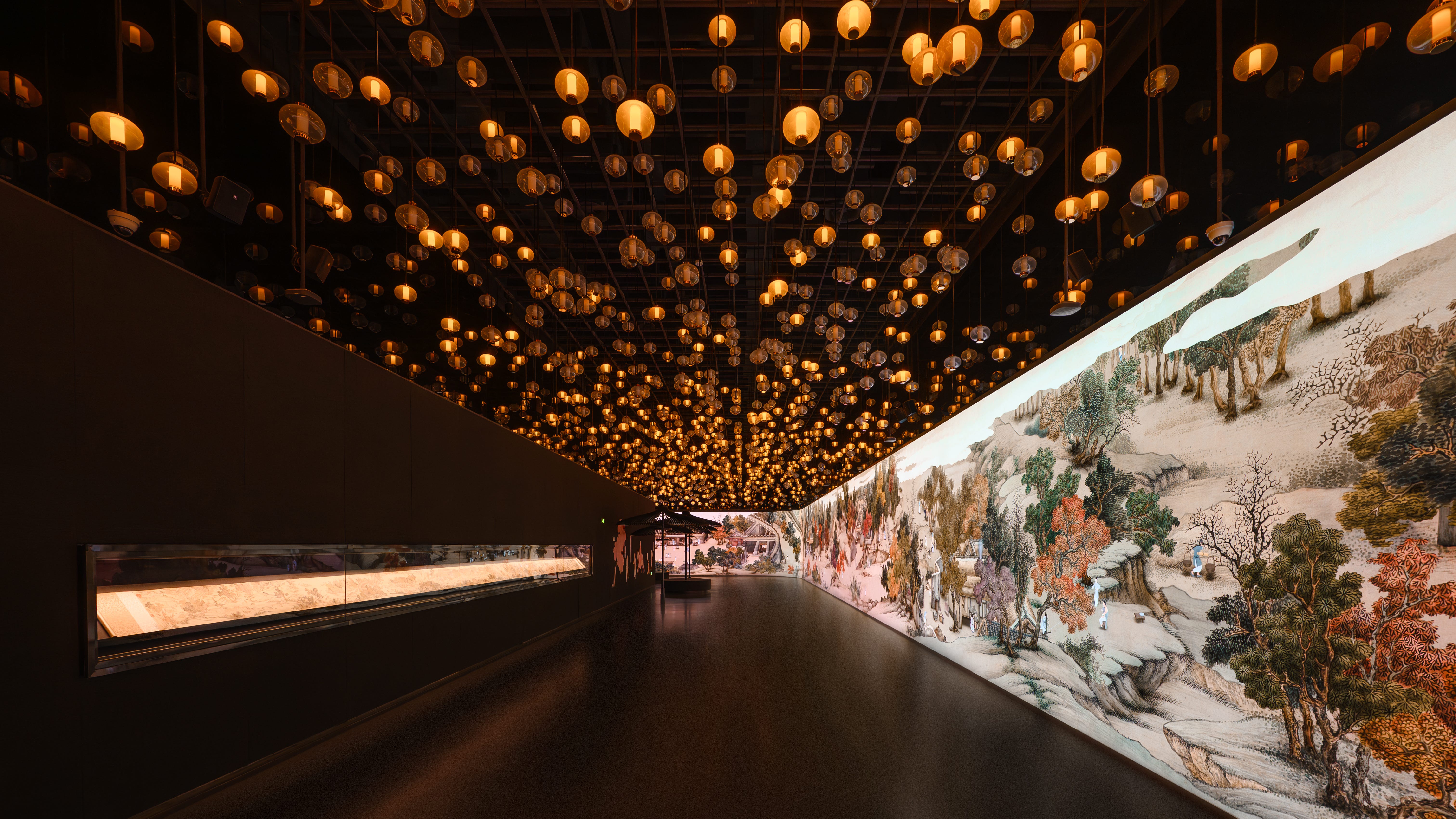
We also introduced an achievement system and different interactive features to encourage deeper exploration. Every choice you make can lead to a different storyline, allowing history and culture to unfold naturally as you explore. You can use your rewards to set off fireworks or release wish lanterns over ancient Jinling. In this way, people of different ages and cultural backgrounds can all find enjoyment, engagement, and personal connections through the experience.
The project took more than two years to develop, from initial research to implementation. We brought together a multidisciplinary team of more than 500 people, including over 100 historians and cultural scholars and more than 400 digital technology specialists. On the technical side, we integrated a high-precision UWB indoor positioning system, the Unity engine, and a proprietary intelligent management platform, powering our signature experience in which visitors enter the painting through a virtual avatar whose movements mirror their own in real time. AI further enables the system to continuously learn from visitor behaviour, optimizing the experience over time and allowing the exhibition to evolve.
Through this project, we came to realise that what truly matters is not AI or technology itself, but how technology can support cultural translation and communication. Throughout the project, we placed particular emphasis on using research and technology to enable the exhibition to continuously evolve. With every return visit, audiences can discover new knowledge, new interactions, and new storylines. When the exhibition tours internationally, we research the local culture of each host city, looking for connections and shared experiences between it and the culture of Jinling, and further adapt the exhibition for different places. In this way, the exhibition remains open and keeps growing.
An Era in Jinling: A Digital Art Exhibition was conceived in 2019 and officially opened in 2021. Since then, it has toured internationally in cities including Paris and Boston. Through the creative use of digital technologies, the project brings cultural heritage to life, enabling audiences from different cultural backgrounds to encounter the everyday life of ordinary people in ancient China and discover the shared human experiences that transcend time and place. This approach led UNESCO to invite us to Samarkand in 2025 to share our practice and reflections on “The Role of Artificial Intelligence in Museums.”
If you had to project the Deji Art Museum ten years into the future — with AI, without it, or in spite of it — which future excites you most, and which one concerns you? Are there strategic directions or projects you can already share that reflect this vision? And what would be your message to fellow museum professionals who are still hesitant about AI?
No matter how artificial intelligence evolves in the future, Deji Art Museum will remain committed to developing a cultural institution with the power of transformation. We will continue to expand our collection and deepen cross-cultural and interdisciplinary research, ensuring that every exhibition and public programme fosters meaningful connections with contemporary society and everyday life.
Today, Deji Art Museum’s Xinjiekou venue has established itself as an international cultural destination, giving us both the experience and confidence to pursue the next stage of our development. Guided by our “multi-city, multi-venue” strategy, we are steadily advancing a series of new museum projects, including the Yangzhou venue, dedicated to the influential 18th-century artistic group the Eight Eccentrics of Yangzhou; the Niushou Mountain venue, focused on ancient Chinese Buddhist statues; the Jinling Town venue, presenting Song dynasty ceramics and Ming dynasty furniture; and the Xianlin venue, devoted to Chinese and international modern and contemporary art. Through these initiatives, we hope to create new opportunities for cultural heritage from different periods and regions to be reinterpreted in the present and to build new relationships with contemporary audiences.
AI is profoundly reshaping how museums work and how the public perceives culture. In the future, there may well be technologies even faster and more revolutionary than AI. Yet from my perspective, what truly matters is not AI or technology itself, but how we choose to use it creatively. Museums are not only spaces that connect the past, present, and future; they are also institutions that can help people deepen their capacity for perception, understanding, and emotional connection through their transformative power. I believe that when technology is used creatively, it can help museums better realize this potential, creating new connections between people and art, people and culture, and ultimately, between people themselves.
Interview by Benjamin BENITA
MORE
Ms. Lin AI is Director of Deji Art Museum and a Board Member of the Chinese Museums Association. She advocates for the “transformative power” of museums and has led the development of Deji Art Museum’s collection, exhibition, and research programmes through a cross-cultural and interdisciplinary approach, spanning ancient Chinese art as well as Chinese and international modern and contemporary art. Under her leadership, the museum has continuously explored new ways of transforming cultural heritage into public experience. Through international cultural exchange initiatives and innovative museum practices, she has sought to bring art into everyday life while advancing new models for the contemporary museum and its sustainable development.
More about the Samarkand Futur of Museums UNESCO Conference:

MORE ABOUT AI
Museums Must Shape AI — Not Simply Adopt It

Could you introduce yourself and walking us through your current role at UNESCO — and tell us what drew you, personally, to the crossroads of museums and emerging technologies?
The Executable Web. When Museums Become Actionable by AI Agents

A Structural Shift in the Architecture of the Web
Recipes for Deploying AI Projects in a Museum

Generative AI and Museums. What Truly Creates Value for Audiences
